October 6, 2026
Introducing the intricacies and essentials of mobile home remodeling, this article aims to guide you through what it takes to successfully adapt and personalize a mobile home. Whether you are a novice or relatively experienced, understanding the specifics can be crucial for efficient remodeling projects.
Understanding Mobile Home Structures
Key Differences Between Mobile and Traditional Homes
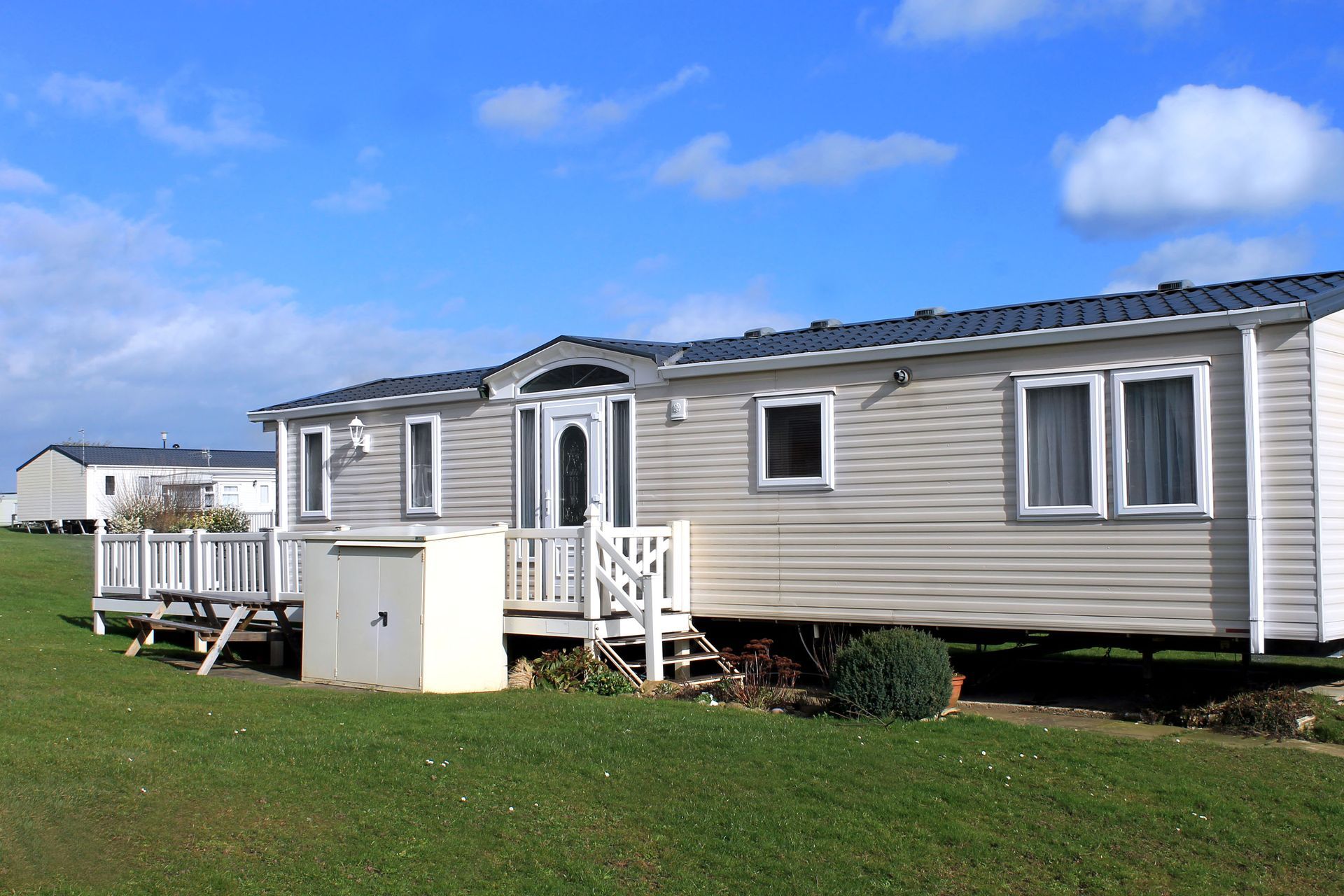
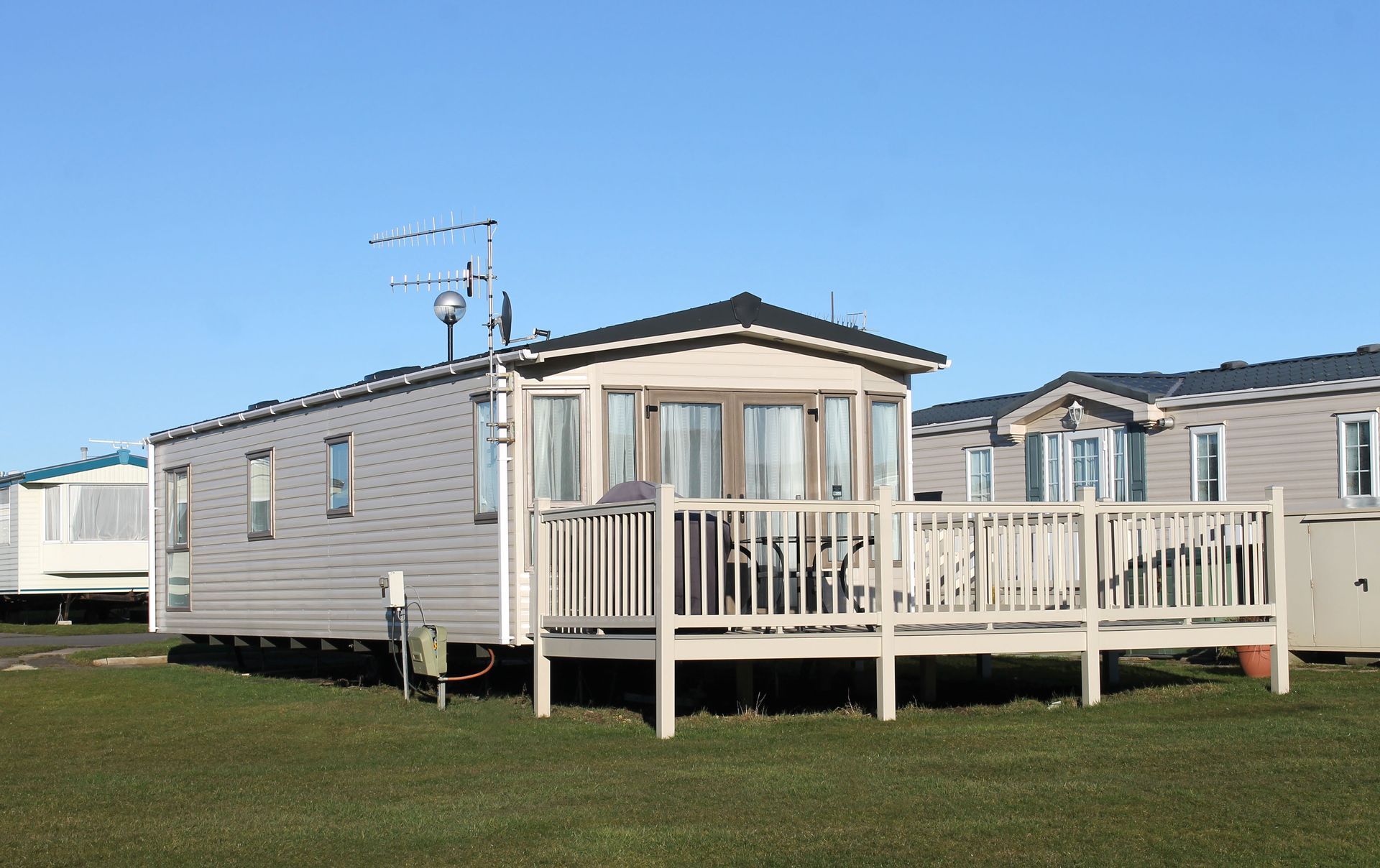
Mobile homes and traditional homes differ primarily in their construction and placement, with mobile homes being prefabricated and designed for transport. Unlike traditional homes which are built on-site, mobile homes are constructed in factories and then transported to their intended location. This process allows for rapid production but can also limit certain customization options. Additionally, mobile homes have different structural components, such as lighter materials and non-standard dimensions to enhance mobility. Understanding these differences is vital for determining what remodeling projects are feasible within a mobile home environment.
Materials Used in Mobile Home Construction
The materials used in mobile home construction are typically lighter than those in traditional homes to facilitate easier movement if relocation becomes necessary. These include plywood, vinyl, and aluminum for exteriors, coupled with gypsum wallboard and laminate for interiors. Unlike traditional homes that often use brick, stone, or heavy wood, mobile homes prioritize materials that provide structural integrity without adding excessive weight. This choice influences the types of renovations possible, as additional weight can affect the home’s support system. Consequently, remodelers need to consider both aesthetic updates and structural constraints when selecting materials.
Common Mobile Home Layouts
Mobile homes frequently adopt standardized layouts that maximize space efficiency while maintaining comfort and livability. Single-wide mobile homes are narrow with open rooms that serve multiple purposes, whereas double-wide setups offer expanded space akin to small traditional homes. Understanding these layouts is crucial for projects aimed at improving functionality without sacrificing available space. Additionally, many mobile home communities were established during the 1970s and 1980s, which might influence existing architectural styles that remodelers encounter. Recognizing these common designs helps remodelers make informed decisions about renovations that leverage or improve current layouts.
Foundation and Anchoring Systems
The foundation and anchoring systems in mobile homes are specifically designed to ensure stability and prevent shifting. Mobile homes often use pier and beam or slab systems, which are essential for maintaining structural integrity. These foundational elements differ significantly from traditional homes, providing unique challenges and considerations for remodelers. Additionally, anchoring systems must comply with regional regulations and can impact the type of flooring or load-bearing enhancements permissible during a remodel. Proper understanding of these foundational systems is vital for executing structural upgrades safely and effectively.
Limitations and Possibilities in Remodeling
While mobile homes present unique remodeling challenges, they also offer opportunities for innovative redesigns. Restrictions often arise from the structural limitations inherent in mobile home construction, such as weight constraints and standardized dimensions. However, creative solutions can expand the potential for personalized upgrades that enhance functionality and comfort. Understanding regulatory limitations is crucial, as remodelers must navigate permits and codes designed specifically for manufactured homes. The potential for customization is significant, though it requires balancing creative visions with practical and structural realities.
Essential Tools and Materials
Basic Tools for Mobile Home Remodeling
Embarking on a mobile home remodeling project begins with acquiring the right set of basic tools. Essential tools include drills, saws, measuring tapes, and screwdrivers, which are crucial for most renovation tasks. Safety equipment like goggles and gloves are also necessary to protect yourself during the remodeling process. Unlike traditional homes, mobile homes may require specialized tools that address their unique materials and structures. Being equipped with the right tools sets the stage for a smoother, more efficient renovation experience.
Advanced Equipment for Comprehensive Projects
For more extensive remodeling projects, advanced equipment such as power sanders, nail guns, and compact construction ladders become important. These tools facilitate quicker and more precise work, allowing remodelers to undertake heavier and more complex tasks. In particular, nail guns can fasten materials more securely, addressing mobile home construction’s lightweight nature. Integrating advanced equipment into your toolset not only increases efficiency but also opens up possibilities for more ambitious remodeling endeavors. The decision to invest in such tools depends on the project's scale and the remodeler's experience level.
Choosing the Right Materials for Durability
Selecting durable materials is a cornerstone of successful mobile home remodeling, given their exposure to environmental factors like humidity and temperature fluctuations. Vinyl siding and laminate flooring are popular choices due to their resilience and aesthetics. When upgrading interiors, consider materials like moisture-resistant drywall and energy-efficient windows to enhance both durability and comfort. The selection process should prioritize materials that can withstand the unique conditions of manufactured home settings. Choosing wisely not only prolongs the lifespan of renovations but also contributes to improved living conditions.
Innovations in Mobile Home Remodeling
The rapid evolution of building materials and techniques has opened new avenues for innovative mobile home remodeling. Technologies like lightweight composite materials and modular interior systems have transformed what’s possible in terms of design and utility. These advancements allow remodelers to incorporate environmentally friendly features without compromising structural integrity. Moreover, modern design software can assist in visualizing potential changes, offering better planning and execution capabilities. Staying abreast of these innovations is essential for leveraging the full potential of any remodeling project.
Sourcing Sustainable and Eco-friendly Supplies
Incorporating sustainable and eco-friendly materials into mobile home remodeling projects not only benefits the environment but also enhances energy efficiency. Products like recycled steel for structural work or bamboo flooring provide sustainable alternatives to traditional materials. Energy-efficient appliances and solar solutions further reduce a mobile home's carbon footprint. With increasing awareness and availability of eco-friendly materials, remodelers can make choices that align with both environmental values and practical needs. This approach enhances a home's functionality while contributing to broader sustainability goals.
Planning Your Remodel
Assessing Your Current Space
A comprehensive assessment of your current mobile home space is the first step in an effective remodeling plan. Start by identifying areas that require enhancement, whether due to wear and tear or a need for increased functionality. Consider factors like lighting, space utilization, and existing structural conditions that could influence your renovation options. By thoroughly evaluating these aspects, remodelers can create prioritized lists that guide the remodeling process. This foundational step forms the basis for a well-informed and successful remodel.
Setting a Realistic Budget
Establishing a realistic budget for your remodeling project is crucial to its success and can prevent costly mistakes. Begin by obtaining estimates for materials, labor, and any specialized services needed during the renovation. A contingency fund for unexpected expenses is advisable, given the unpredictable nature of home renovations. Aligning your budget with your project’s scale and goals ensures that financial resources are utilized efficiently. Adequate financial planning paves the way for accomplishing your remodeling ambitions without unnecessary stress.
Creating a Design Plan
Once a budget is set, creating a detailed design plan is the next step in your remodeling journey. This plan should incorporate sketches or digital models of the intended changes, alongside measurements and material lists. Incorporate personal style preferences with functional needs to achieve a cohesive and satisfying end result. Collaboration with design professionals or using digital design tools can further refine the plan, ensuring all elements align with practical capabilities. A well-conceived design plan serves as a road map, guiding the project from conception to completion.
In conclusion, remodeling a mobile home offers unique opportunities and challenges that require thoughtful planning and execution. By understanding the structure, planning efficiently, executing with precision, and exploring various financing options, remodelers can transform a mobile home into a functional and aesthetically pleasing dwelling. Remember, with the right approach, your mobile home can be everything you dream it to be. According to MHInsider, over 60% of manufactured home communities were built during the 1970s and 1980s. Be sure to reach out to Guzman Remodeling today to learn more about our professional mobile home remodelers!